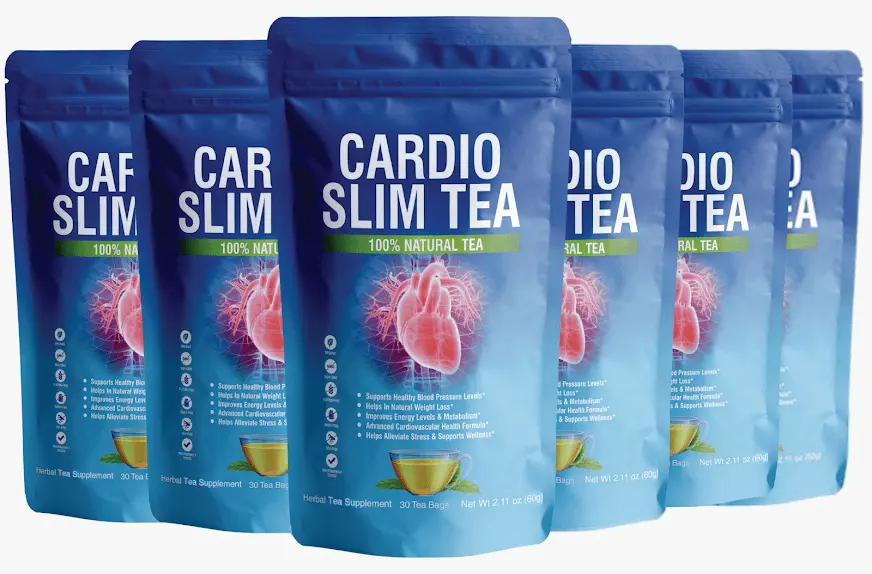
 Cardio Slim Tea
Cardio Slim Tea's advertised formula contains fifteen named ingredients, combining tea leaves, roots, flowers, berries, extracts and TMG. Knowing those names helps you compare the blend with your dietary preferences and prepare specific questions about the current label. It also avoids treating every component as the same type of herb.
The list below describes the formula without assigning unverified amounts or promising an outcome from any one ingredient. The complete product should be assessed as the product you would actually brew. Individual ingredient research, familiar kitchen uses and an appealing flavor description do not establish the strength or effects of a particular cup.
The complete advertised ingredient list
The fifteen components are beetroot powder, decaffeinated green tea, hibiscus flowers, ginger root, oolong tea, chamomile, dandelion leaves, hawthorn berries, lemongrass, TMG, grapeseed extract, ginseng root, curcumin, cinnamon and monk fruit. Natural lemon and mint flavor are also described, separately from that fifteen-ingredient group. Keep the full list available if you ask a pharmacist or clinician whether this combination fits your circumstances.
Names alone leave some practical questions unanswered. The available product presentation does not provide a verified amount for every ingredient, a complete quantitative Supplement Facts panel or a confirmed caffeine figure per prepared serving. If one of those details would change your purchase decision, request it before choosing a package.
Tea leaves and the caffeine distinction
Decaffeinated green tea and oolong tea are both named in the blend. The word decaffeinated applies to the green tea component; it does not automatically describe every other ingredient or prove that the prepared product contains no caffeine. The exact caffeine content has not been established here. Shoppers who need to avoid caffeine should ask about the finished product rather than relying on one ingredient's description.
Tea leaves also make preparation relevant. The official method calls for one bag in hot water for seven to nine minutes, with three to four cups daily. Do not assume a different steeping method gives an equivalent serving. The current pouch directions are the starting point for preparation, including any instructions that differ from a general online summary.
Flowers, leaves and aromatic grasses
Hibiscus flowers, chamomile, dandelion leaves and lemongrass form another group within the formula. These names identify different plant materials, not one generic tea ingredient. A shopper comparing labels should check the full wording, especially when avoiding a particular plant. Lemon and mint flavor should also be distinguished from lemongrass: the flavor description and the named ingredient are separate parts of the product presentation.
The presence of several botanicals does not tell us which is most abundant. Without verified quantities, the order in an online feature list should not be interpreted as a percentage breakdown. For flavor preferences, ask the seller about the prepared blend rather than assuming it will taste predominantly of whichever flower or leaf is most familiar to you.
Roots, spice components and beetroot
Beetroot powder, ginger root, ginseng root, cinnamon and curcumin contribute several different ingredient types. The label term curcumin should be preserved when comparing products; it is not interchangeable with an unspecified amount of whole turmeric. Likewise, a named powder, root or extract can have a different form from the ingredient used in an ordinary meal. The complete label is the place to check how the seller identifies those forms.
Do not use the number of familiar kitchen ingredients as a safety test. A prepared blend can include multiple components that matter to someone taking medication or managing a condition. An accurate list is useful precisely because it lets a qualified professional review the combination rather than answering a vague question about whether tea is suitable.
Berries and grapeseed extract
Hawthorn berries and grapeseed extract are separately listed. The terms berries and extract describe different materials, so substituting one for the other would misrepresent the formula. The product information available here does not establish an extract ratio or a standardized active-compound amount for grapeseed extract. Those specifications matter if you are comparing the tea with a supplement that gives precise extract details.
For the same reason, avoid adding up claims made for unrelated products that contain hawthorn or grapeseed. A capsule containing a quantified extract and a brewed blend with an unverified ingredient amount are different products. Use the ingredient list to identify what is present, then ask for the additional specifications that your comparison requires.
What TMG means in this formula
TMG stands for trimethylglycine. It is a named compound in the formula, not another herb, flower or tea leaf. Describing the product as having fifteen ingredients is therefore more accurate than describing every component as one of fifteen herbs. This distinction is especially useful when reviewing a long list of botanical names, where TMG might otherwise be overlooked or mistaken for a plant abbreviation.
The seller connects TMG and the overall blend with a homocysteine marketing explanation. That explanation does not provide a verified TMG quantity in a brewed cup or establish a treatment for a laboratory result. If homocysteine is part of your medical care, bring the product label to the professional managing it and ask a product-specific question.
Monk fruit and the flavor description
Monk fruit appears in the main ingredient list, while natural lemon and mint flavor is described as a flavor addition. These details give a clearer idea of the intended beverage than the product name alone. They do not tell you the exact sweetness, acidity or intensity of a cup, and this guide does not claim to have personally tasted the tea.
If you plan to add other ingredients after brewing, consider them separately from the formula. Honey, sugar, milk or another addition changes what you are drinking and may matter to a dietary plan. The supplied product description does not establish the nutritional details of every possible preparation. Read the pouch and choose additions according to your own requirements.
Checking allergens and dietary requirements
The seller uses several dietary descriptors, including plant-based and non-GMO, and describes ingredients as soy-free and dairy-free. Before relying on any exclusion that is important to you, check the current package for the complete ingredient and allergen wording. An ingredient list does not necessarily provide information about shared equipment or every manufacturing contact, and this guide does not add a certification that has not been identified.
For a severe allergy or a medically required restriction, ask a precise question about the current product and manufacturing controls. Send the relevant label information to the person advising you. A broad statement that the product is natural is less useful than a direct answer about the exact substance you need to avoid.
Comparing the label with your routine
Review the ingredient list alongside everything else you already use, including other herbal blends, supplements and medicines. Repeated ingredients across several products may be easy to miss when each package has a different name. A list of the actual products and their directions gives a pharmacist or clinician a clearer basis for advice than an isolated photograph of the front pouch.
Keep a photo of the received label and its lot details if you need follow-up information. Product support can be reached through the contact guide. For preparation rather than composition, see how to use Cardio Slim Tea. Together, the label, a clear preparation method and any necessary suitability advice provide a more complete basis for deciding whether the blend belongs in your day.
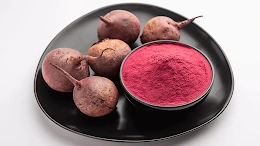
Beetroot Powder
Beetroot powder starts the named ingredient list. It adds a root-derived component to a recipe that also includes tea leaves, flowers and extracts, giving the blend a broader botanical composition than a simple single-herb infusion.
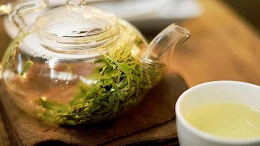
Decaffeinated Green Tea
The green tea component is specifically named as decaffeinated. It joins oolong in the tea-leaf portion of the blend. Because the finished recipe includes both, check the current label if the total caffeine amount matters to you.
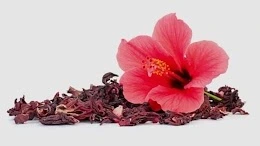
Hibiscus Flowers
Hibiscus flowers add a floral component alongside chamomile. They sit within the broader mixture of tea leaves, roots, fruit ingredients and spices, helping distinguish this fifteen-ingredient recipe from a plain green or oolong tea.
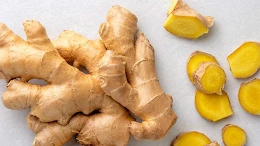
Ginger Root
Ginger root brings a familiar ingredient used in warm drinks and food recipes. Its character pairs with the blend’s cinnamon and citrus flavor, while the tea-bag format combines the ingredients into one straightforward preparation.
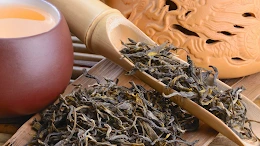
Oolong Tea
Oolong supplies a second tea-leaf component alongside decaffeinated green tea. The two teas have different processing styles and flavor profiles, bringing variety to the base before the other botanicals, spices and flavor components are added.
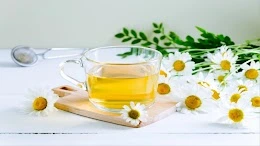
Chamomile
Chamomile joins hibiscus in the flower portion of the formula. It appears alongside the roots, leaves and other ingredients in the complete recipe, giving familiar herbal-tea drinkers another recognizable name to explore in the blend.
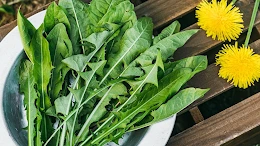
Dandelion Leaves
Dandelion leaves contribute a leafy botanical alongside the tea leaves. The ingredient list identifies the leaf specifically, while ginger and ginseng supply roots from other plants. That variety is part of the blend’s combined composition.
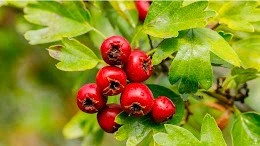
Hawthorn Berries
Hawthorn berries add a fruit ingredient to the formula alongside monk fruit. They form part of the full botanical mixture. If you take regular medicines, have the complete ingredient list checked for suitability before starting the tea.
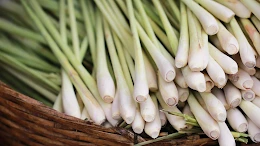
Lemongrass
Lemongrass contributes an aromatic botanical to the recipe. It accompanies the separately listed natural lemon and mint flavors, bringing a named plant ingredient to the citrus side of the blend’s overall flavor profile.
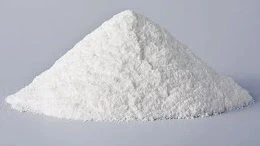
TMG
TMG, also called trimethylglycine, is named separately among the fifteen components. It broadens the formula beyond tea leaves and herbs, appearing alongside the botanical ingredients within the finished blend rather than as a separate serving to prepare.
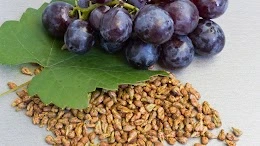
Grapeseed Extract
Grapeseed extract is the grape-derived component of the recipe. Its extract form sits alongside whole named plant parts such as leaves, roots and flowers, adding another ingredient type to the combined fifteen-component blend.
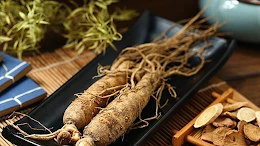
Ginseng Root
Ginseng root joins ginger among the named root ingredients. It is included with the tea leaves, flowers and other botanicals in the pouch, making the formula more varied than a plain hibiscus or green tea.
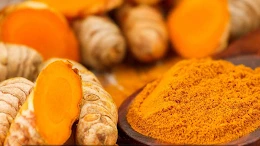
Curcumin
Curcumin appears as a named component alongside cinnamon and the other plant-derived ingredients. It is already included in the blend, so brewing does not involve measuring an additional powder or combining separate products at home.
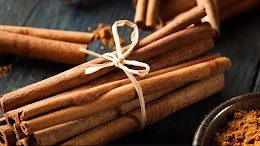
Cinnamon
Cinnamon adds a familiar spice ingredient alongside ginger. It contributes to the variety of plant materials in the recipe, with roots, flowers, leaves and fruit ingredients brought together in each ready-to-steep tea bag.
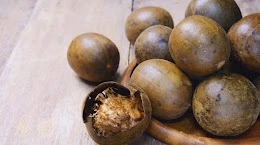
Monk Fruit
Monk fruit is the blend’s named sweetening ingredient. It complements the lemon and mint flavor components and completes the fifteen-ingredient list. Any milk, honey or other additions you choose while brewing remain separate from the packaged recipe.